Text Effect Fashion: Elevating Brand Identity with Editable Style
In the crowded digital landscape, visual communication is no longer just about what you say; it is about how you say it. The way text appears on a screen, a storefront, or a product package often determines whether a message resonates or gets lost in the noise. This is where Text Effect Fashion becomes a critical tool for modern creators. Unlike traditional typography that relies solely on font files, this approach utilizes dynamic, editable effects to transform standard lettering into striking visual statements. For designers, marketers, and business owners alike, mastering these techniques offers a shortcut to professional-grade aesthetics without the steep learning curve of building complex effects from scratch.
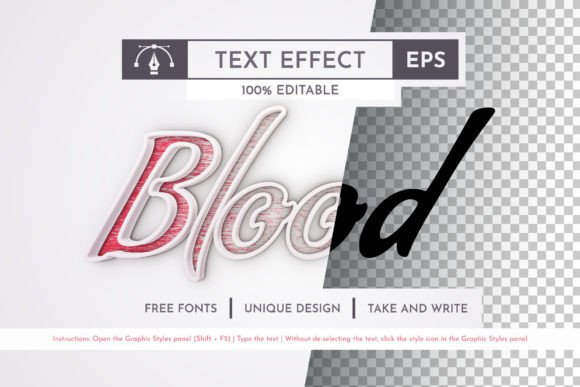
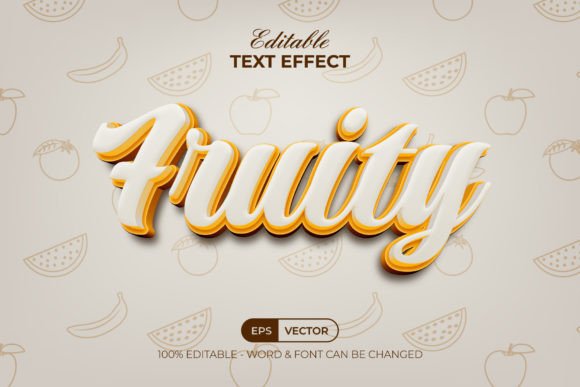
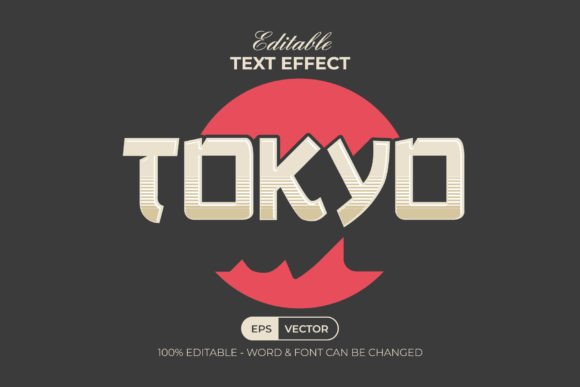
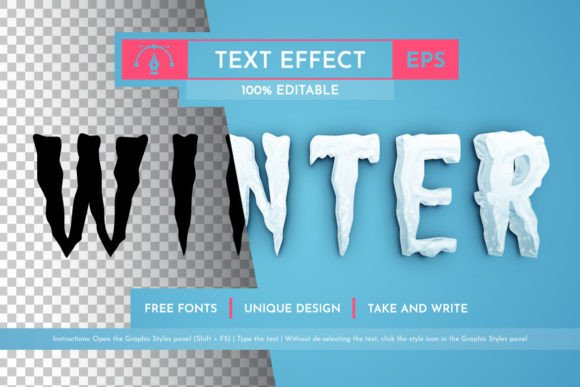
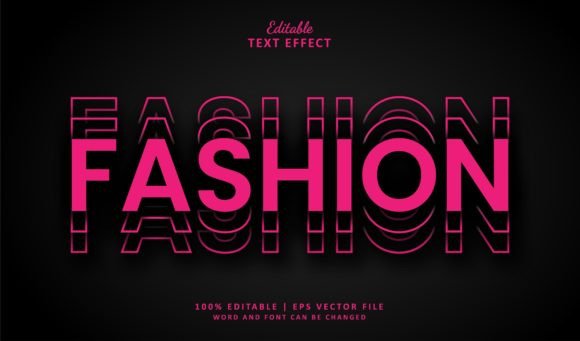
The concept of "fashion" in typography extends beyond clothing trends. It refers to the evolving style of visual presentation that captures the zeitgeist of a specific era. Today's audience expects high-quality, bespoke visuals across all platforms, from social media stories to large-scale billboards. A static font file rarely meets this demand alone. Instead, professionals are turning to specialized assets like the Fashion editable text effect style Eps to inject personality and flair into their projects instantly. These tools bridge the gap between functional communication and artistic expression, allowing users to create unique brand identities that stand out in a saturated market.
Beyond Standard Fonts: Understanding the Technology
It is a common misconception that every stylized piece of text found online is a custom font. In reality, many of the most impressive typographic designs are not fonts at all. They are vector-based effects applied to standard text. This distinction is crucial for anyone looking to maintain flexibility in their design workflow. When you download a resource described as Text Effect Fashion, you are typically acquiring a set of rules and layers within Adobe Illustrator that manipulate the appearance of your chosen typeface.
This methodology offers significant advantages over traditional font installation. A standard font file is rigid; once installed, its shape is fixed. If you want to change the color, add a texture, or alter the stroke weight significantly, you are often limited by the font's inherent design. Conversely, an editable text effect style allows you to retain the underlying structure of your message while completely transforming its visual output. You can keep the original text editable, meaning you can change the words at any time, and the effect will automatically reapply to the new content. This level of adaptability is essential for fast-paced industries where campaigns change daily and consistency must be maintained across multiple touchpoints.
The Power of Vector Graphics and EPS Files
At the heart of this technology lies the EPS (Encapsulated PostScript) file format. For professionals working in print and digital media, understanding the value of vector graphics is non-negotiable. Unlike raster images such as JPGs or PNGs, which are made of pixels and lose quality when enlarged, vector graphics are defined by mathematical equations. This means that a Fashion editable text effect style Eps can be scaled from a tiny logo on a business card to a massive mural on a building without any loss of clarity or resolution.
The inclusion of JPG previews alongside the primary EPS files serves a practical purpose for workflow efficiency. Designers can quickly browse thumbnails to find the perfect style before importing the heavy vector file into their project. However, the real work happens within the EPS file. Because these effects are built using vector paths, they remain crisp at any zoom level. This scalability is particularly important for businesses that need to deploy branding across diverse mediums. Whether printing on fabric, cutting vinyl for signage, or rendering for high-definition video, the vector nature of these effects ensures that the final output always looks professional and polished.
Streamlining Workflows with Adobe Illustrator
The accessibility of these design tools has revolutionized how creatives approach their daily tasks. The requirement for Adobe Illustrator CS6 or higher ensures compatibility with a vast majority of professional design environments. While newer versions of Creative Cloud offer advanced features, the core functionality required to manipulate these text effects has remained consistent since CS6. This backward compatibility is a smart choice for freelancers and small agencies who may not upgrade their software immediately but still require access to premium design assets.
Using these effects transforms the design process from hours of manual layering to minutes of simple application. Imagine needing to create a series of promotional banners with a specific "glitch" or "neon" aesthetic. Manually recreating these effects for each banner would involve duplicating layers, adjusting blending modes, and fine-tuning strokes—a tedious and error-prone process. With a 100% editable text effect style, the designer simply types the headline, applies the effect, and adjusts the parameters. The software handles the complexity, freeing the creator to focus on strategy and composition rather than technical execution.
This shift in workflow dynamics also lowers the barrier to entry for entrepreneurs and hobbyists. You do not need to be a master of the Pen Tool or a wizard of gradient meshes to produce stunning results. The pre-built nature of these assets democratizes high-end design, allowing small business owners to create marketing materials that compete visually with major corporations. By leveraging these tools, a local boutique can create a seasonal flyer that looks as sophisticated as a national retailer's campaign, simply by applying the right stylistic treatment to their text.
Customization Without Compromise
One of the most compelling features of Text Effect Fashion resources is the ability to edit the font and text freely. Many users fear that using pre-made templates locks them into a specific look. However, these styles are designed to be modular. You can swap the default font for one that better matches your brand guidelines, change the kerning to improve readability, or even adjust the text case from uppercase to lowercase. The effect adapts to these changes seamlessly.
This flexibility is vital for maintaining brand integrity. A fashion brand, for instance, might have a specific serif font for headlines but wants to apply a trendy, textured effect to announce a summer sale. Without editable effects, they would have to choose between their brand font and the desired visual style. With these tools, they get both. They can apply the fashion-forward effect to their corporate typeface, ensuring that the visual excitement does not come at the cost of brand recognition.
Adapting to Modern Market Preferences
The evolution of consumer habits has driven the demand for more dynamic and engaging visual content. In an era dominated by short-form video and scroll-heavy social feeds, static text often fails to capture attention. Audiences are conditioned to expect movement, depth, and texture. Text Effect Fashion addresses this by adding visual weight and dimension to typography, making it pop off the screen or page.
Furthermore, the rise of direct-to-consumer brands and the gig economy has created a surge in demand for versatile design assets. Entrepreneurs and freelancers need to wear many hats, acting as CEO, marketer, and graphic designer simultaneously. They cannot afford to spend days learning complex illustration techniques for every project. Editable text effects provide a solution that balances speed with quality. They allow creators to iterate quickly, testing different styles and messages to see what resonates with their audience.
We are also seeing a shift towards authenticity and uniqueness. Generic stock photos and clip art are falling out of favor. Consumers can spot mass-produced imagery from a mile away. Customizable text effects offer a middle ground. They provide a unique starting point that can be tweaked to feel personal and tailored. By adjusting colors, textures, and fonts, creators can ensure their work feels bespoke, aligning with the modern expectation for individuality in branding.
Practical Applications Across Industries
The utility of these editable styles extends far beyond the fashion industry itself. While the name suggests a connection to apparel, the principles apply universally:
- Retail and E-commerce: Creating eye-catching sale banners, holiday promotions, and product packaging labels that stand out on shelves and screens.
- Event Marketing: Designing posters, flyers, and digital invitations for concerts, weddings, and conferences with a cohesive, stylish theme.
- Social Media Management: Generating high-impact quote graphics, announcement posts, and story overlays that drive engagement.
- Merchandise Design: Applying complex typographic effects to t-shirts, mugs, and tote bags for print-on-demand services.
- Personal Branding: Helping influencers and consultants create a distinct visual identity for their logos and social media headers.
For educators and trainers, these tools serve as excellent teaching aids to demonstrate the power of vector manipulation. Students can learn how effects are constructed by deconstructing the layers within the EPS file, gaining insight into the mechanics of professional design without starting from a blank canvas.
Strategic Implementation for Long-Term Success
To maximize the value of Fashion editable text effect style Eps assets, it is important to integrate them strategically into your design system. Do not treat them as a one-off fix. Instead, view them as part of a broader toolkit for visual storytelling. Establish a library of preferred effects that align with your brand's tone. This ensures consistency across all communications while allowing for variety in execution.
Remember that while these tools simplify the process, they do not replace good design judgment. The best results come from combining these effects with thoughtful layout, appropriate color theory, and clear messaging. Always test your designs in the intended medium. A vibrant neon effect might look stunning on a digital screen but could be difficult to reproduce accurately in black-and-white print. The scalability of the EPS format helps mitigate some of these risks, but human oversight remains essential.
As technology continues to evolve, the line between fonts and effects will likely blur further. AI-driven design tools may soon generate these effects automatically based on natural language prompts. However, the fundamental need for control, editability, and high-quality vector output will remain. Assets like Text Effect Fashion represent a current peak in design efficiency, offering a perfect balance of automation and creative freedom. By embracing these tools, professionals and enthusiasts alike can stay ahead of the curve, delivering work that is not only visually stunning but also technically robust and ready for any scale.