Taking out the Trash PNG Skeleton Tarot: A Practical Evaluation
In the rapidly expanding digital marketplace for creative assets, specific niche designs often emerge to meet unique aesthetic demands. The Taking out the Trash PNG Skeleton Tarot is one such asset, blending macabre humor with esoteric symbolism. For designers, print-on-demand entrepreneurs, and crafters, understanding the utility, limitations, and proper application of this specific file type is essential before integrating it into a business model or personal project. This evaluation explores what the design entails, its practical applications, and the considerations necessary for making an informed decision regarding its use.
Understanding the Asset Format and Design
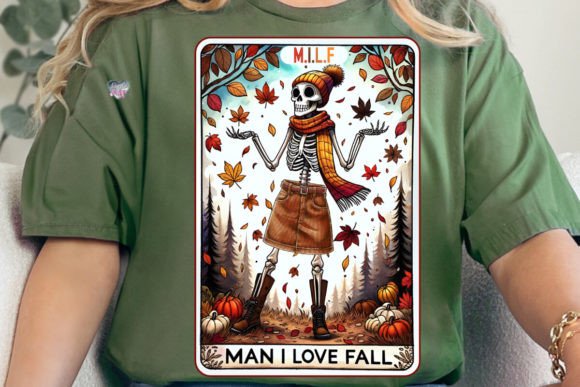
The Taking out the Trash PNG Skeleton Tarot is a digital graphic file formatted as a Portable Network Graphics (PNG) image. Unlike raster images with backgrounds that complicate layering, PNG files typically feature transparent backgrounds, allowing the subject—a skeleton engaging in the mundane act of taking out the trash within a tarot card aesthetic—to be placed over various textures and colors without visual obstruction. It is critical to distinguish this asset from typography; this is a graphical illustration, not a font. Users expecting editable text or letterforms will find this file unsuitable for their needs.
The "Instant Digital Download" nature of the product means the file is delivered immediately after purchase, usually compressed within a ZIP folder. This eliminates shipping delays associated with physical goods but requires the user to have the technical capability to extract and utilize digital files. The design itself leverages the juxtaposition of the supernatural (skeletons, tarot imagery) with the domestic (trash removal), creating a visual narrative that appeals to audiences interested in gothic humor, occult culture, or whimsical dark art.
Applications in Sublimation and Direct-to-Garment Printing
The primary value proposition of the Taking out the Trash PNG Skeleton Tarot lies in its versatility across different printing methods. Its high-resolution format makes it a strong candidate for both sublimation printing and direct-to-garment (DTG) techniques.
- Sublimation Printing: This method involves transferring ink onto polyester-based materials using heat. Because the PNG format supports transparency, the design can be applied to mugs, phone cases, and performance wear without unwanted white borders. The vibrant potential of sublimation pairs well with the detailed line work typical of tarot-style illustrations.
- Direct-to-Garment (DTG): DTG printers apply ink directly to cotton or cotton-blend fabrics. The transparent background of the PNG ensures that the skeleton design sits naturally on colored t-shirts, sweatshirts, and tote bags. This is particularly useful for creators who wish to offer a range of garment colors while maintaining design integrity.
Beyond apparel, the file's adaptability extends to wall art prints, stickers, and other merchandise. However, the quality of the final product depends heavily on the resolution of the source file and the capabilities of the printing equipment used.
Benefits and Strategic Advantages
For individuals evaluating whether to acquire this asset, several benefits stand out. First is the immediacy of access. In a market where waiting weeks for physical proofs or samples is common, the instant download feature allows for rapid prototyping. A designer can purchase the file, test it on a mockup, and begin production within hours.
Secondly, the niche appeal of the design offers a competitive edge. Generic tarot cards are abundant, but the specific concept of a skeleton performing a chore like taking out the trash provides a unique selling point. This specificity can attract a dedicated customer base looking for humorous or relatable interpretations of traditional occult symbols. Furthermore, because the file is a digital entity, there are no inventory costs associated with storage or shipping of the raw material, reducing overhead for small businesses.
Tradeoffs and Usage Considerations
Despite its advantages, there are significant tradeoffs and constraints that must be weighed. The most prominent limitation is the licensing structure. The terms explicitly state that the file cannot be resold as a standalone digital product. This restriction is vital for protecting the original artist's intellectual property. Attempting to sell the PNG file itself, rather than products created with it, violates the usage agreement and can lead to account suspensions on platforms like Etsy.
Additionally, users must possess a certain level of technical proficiency. While the file is ready to use, optimizing it for specific print requirements may require software knowledge. For instance, converting the color profile for CMYK printing (standard for large-scale commercial printing) versus RGB (standard for web and some DTG printers) might be necessary depending on the production partner. If a user lacks these skills, they may face challenges in achieving professional-grade results.
Another consideration is the saturation of the market. While the design is unique, the broader category of "skeleton tarot" art is growing. Relying solely on this single image for a product line may limit long-term growth if consumer trends shift. Diversification is often required to maintain relevance.
When This Asset Is a Strong Fit
The Taking out the Trash PNG Skeleton Tarot is an excellent fit for specific scenarios. It aligns perfectly with the needs of Print-on-Demand (POD) sellers who require low-risk, high-variety inventory. Since POD models do not require upfront bulk purchasing, adding a new design based on this PNG allows sellers to test market response without financial exposure.
It is also suitable for independent crafters utilizing home sublimation setups. The ability to print custom mugs or shirts for local markets or holiday sales fits the scale of this digital asset. Furthermore, content creators or bloggers in the horror, gaming, or alternative lifestyle niches may find the image valuable for creating branded merchandise that resonates with their community's sense of humor.
Situations Requiring Alternatives
Conversely, there are situations where alternatives should be considered. If a project requires vector graphics (such as EPS or SVG formats) for extreme scaling—like billboard advertising or large-format signage—a raster PNG file may lose quality when enlarged beyond its native resolution. In such cases, a vector version of the artwork would be superior.
Furthermore, if the goal is to create a brand identity centered around a proprietary character, relying on a pre-made PNG limits customization. A custom commission would allow for modifications to the skeleton's pose, the trash can design, or the tarot border to ensure uniqueness. Finally, for those seeking to build a library of digital assets to sell repeatedly as downloadable files, this product is not appropriate due to the strict prohibition on reselling the file itself.
Practical Decision-Making Insights
Before proceeding with the acquisition of the Taking out the Trash PNG Skeleton Tarot, potential users should conduct a brief audit of their workflow. Determine if your current printing setup supports the file's resolution and color mode. Review the license agreement carefully to ensure your intended business model complies with the "physical and print on demand products only" clause. Understanding that regular monitoring of platforms occurs to enforce these rules highlights the importance of ethical compliance.
Ultimately, the decision to use this asset should hinge on the alignment between the design's aesthetic and the target audience's preferences. If the goal is to produce tangible, high-quality merchandise that blends dark humor with spiritual iconography, this PNG offers a practical and efficient solution. However, for projects demanding extensive customization, vector scalability, or digital resale rights, exploring other options would be more prudent. By weighing these factors objectively, creators can make informed choices that support their specific goals and operational constraints.