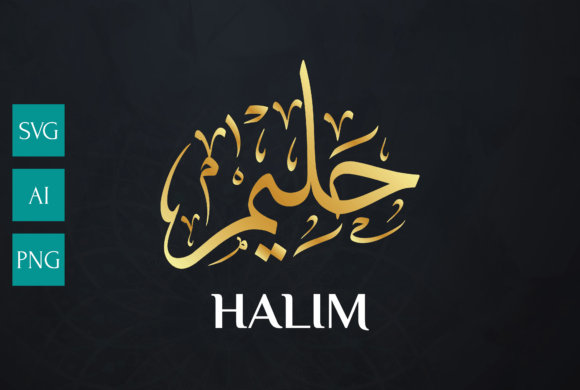
Mastering the HALIM Name Arabic Calligraphy Vector for Professional Results
The beauty of Arabic script lies in its fluidity and spiritual depth, making a name like "Halim" a powerful choice for personal branding or home decor. When you search for a HALIM Name Arabic Calligraphy Vector, you are not just looking for a font; you are seeking a digital representation of art that carries meaning, elegance, and cultural significance. Whether you are a graphic designer creating a logo for a new business, a parent wanting to gift a personalized wall portrait, or an entrepreneur launching an Islamic brand, the quality of your vector file determines the success of your final product. A high-quality design ensures that every curve and dot remains crisp, whether it is printed on a tiny business card or scaled up for a massive metal wall art installation.
However, navigating the marketplace for these designs can be tricky. Many creators and consumers make avoidable mistakes that compromise the visual integrity of the artwork. Understanding what makes a vector file truly usable versus merely decorative is the first step toward achieving professional results without wasting time or money.
Understanding the Value of True Vector Formats
Before downloading any file, it is crucial to understand what you are actually getting. The term "vector" is often misused. A true vector file, such as those in AI (Adobe Illustrator), SVG (Scalable Vector Graphics), or EPS formats, is built on mathematical paths rather than pixels. This distinction is vital for the HALIM Name Arabic Calligraphy Vector. Unlike raster images (JPG or PNG) which become pixelated when enlarged, vectors remain sharp at any size. This scalability is why professionals insist on vector files for applications ranging from intricate engraving on metal art to large-scale banners and wall stickers.
If you purchase a file labeled as a vector but find it looks blurry when zoomed in, you likely received a raster image saved with a misleading extension. Always verify the file structure before committing to a purchase. For projects involving t-shirts, flyers, or social media graphics, having access to both SVG/PNG for web use and AI/EPS for print production provides the flexibility needed for a diverse portfolio.
Common Pitfalls in Choosing Calligraphy Designs
One of the most frequent errors people make is ignoring the complexity of the calligraphic style relative to their intended medium. Arabic calligraphy, especially styles like Thuluth or Diwani, involves fine lines and delicate dots. While these look stunning on a digital screen or a glossy brochure, they can be problematic for certain physical applications if the file is not optimized correctly.
Consider the scenario of creating a metal art piece or a laser-engraved panel. If the HALIM Name Arabic Calligraphy Vector contains extremely thin lines or open spaces smaller than the tool's cutting width, the result may be fragile or fail to cut entirely. Similarly, for embroidery on clothing, overly complex curves might get lost in the stitching process. A design that looks perfect on a computer monitor might translate poorly into a physical object if the technical constraints of the manufacturing process are overlooked.
Another common misunderstanding involves the difference between a font and a custom illustration. Many users download a standard Arabic font and type "Halim," assuming it will match the artistic flair of a hand-drawn calligraphy vector. While fonts are useful for text-heavy documents, they rarely offer the unique flow, balance, and artistic composition of a dedicated lettering design. Custom calligraphy vectors are crafted specifically to harmonize the letters, ensuring the negative space works aesthetically. Relying on generic fonts for logos or portraits often results in a flat, unprofessional appearance that lacks the soul of traditional Islamic art.
Checking File Integrity Before Use
To avoid frustration, always inspect the file immediately after downloading. Open the vector file in compatible software like Adobe Illustrator, CorelDRAW, or Inkscape. Check that all elements are grouped logically and that there are no stray anchor points or overlapping paths that could cause printing errors. Look for the specific details of the Arabic letters; the dots (nuqat) should be distinct shapes, not merged blobs. Ensuring the file is clean saves hours of troubleshooting later, especially when preparing files for professional printers or engraving services.
Strategic Applications for Maximum Impact
When used correctly, a high-quality HALIM Name Arabic Calligraphy Vector opens up a world of creative possibilities. For home decor enthusiasts, this design is perfect for creating elegant wall art portraits or wall stickers that add a touch of sophistication to living rooms and nurseries. The ability to scale the design means you can create a small, intimate greeting card or a large, commanding banner for an event without losing clarity.
For entrepreneurs and marketers, this asset is invaluable for branding. Imagine a boutique selling modest fashion or a halal food service using this calligraphy on their packaging, brochures, and social media posts. The consistent, high-quality imagery builds trust and communicates a deep respect for cultural aesthetics. It transforms a simple name into a recognizable symbol of identity.
In the realm of gifts and scrapbooking, the versatility of vector formats allows for easy color changes. You can adapt the same HALIM design to fit a wedding theme, a birthday celebration, or a religious holiday simply by adjusting the fill colors in your design software. This adaptability makes it a cost-effective solution for various occasions, eliminating the need to commission a new artist for every single project.
Practical Steps for Better Decision Making
To ensure you get the best results, follow these practical guidelines when selecting and using your calligraphy assets:
- Verify the License: Ensure the license covers your intended use. Some free downloads are strictly for personal use, while commercial projects require a paid license. Using a restricted file for a business logo can lead to legal issues down the line.
- Test Print Before Finalizing: If you plan to print a large format, do a test print at 100% scale on paper first. This helps you spot any resolution issues or alignment problems before spending money on expensive materials like canvas or metal.
- Match Style to Medium: Choose a bolder, simpler calligraphy style for items like t-shirts or metal cuts where detail might be lost. Reserve intricate, flowing styles for high-resolution prints, digital wallpapers, or framed art where fine details are appreciated.
- Check Color Profiles: For professional printing, ensure your vector file uses CMYK color mode rather than RGB. Screen colors often look different when printed, so converting early prevents unexpected shifts in hue.
Avoid the temptation to choose a design solely based on how it looks in a low-resolution thumbnail preview. Always request or download a sample to see the actual line work. The difference between a mediocre design and a masterpiece often lies in the subtle variations of stroke width and the harmony of the letterforms.
Conclusion: Elevating Your Projects with Quality
Selecting the right HALIM Name Arabic Calligraphy Vector is about more than just finding a pretty picture; it is about securing a reliable foundation for your creative vision. By understanding the technical requirements of vector files, recognizing the limitations of different application mediums, and taking the time to verify file quality, you can avoid common pitfalls that plague many DIY projects and professional endeavors alike.
Whether you are decorating a home, launching a brand, or creating a heartfelt gift, the effort put into choosing the correct design pays off in the final presentation. A well-executed calligraphy piece stands the test of time, offering beauty and meaning that resonates with viewers. Take the extra steps to ensure your file is robust, versatile, and legally sound, and you will find that your creative projects achieve the level of excellence they deserve.